The Art of Softscaping: Tailored Plant Solutions for Your Landscape Apr 18, 2026
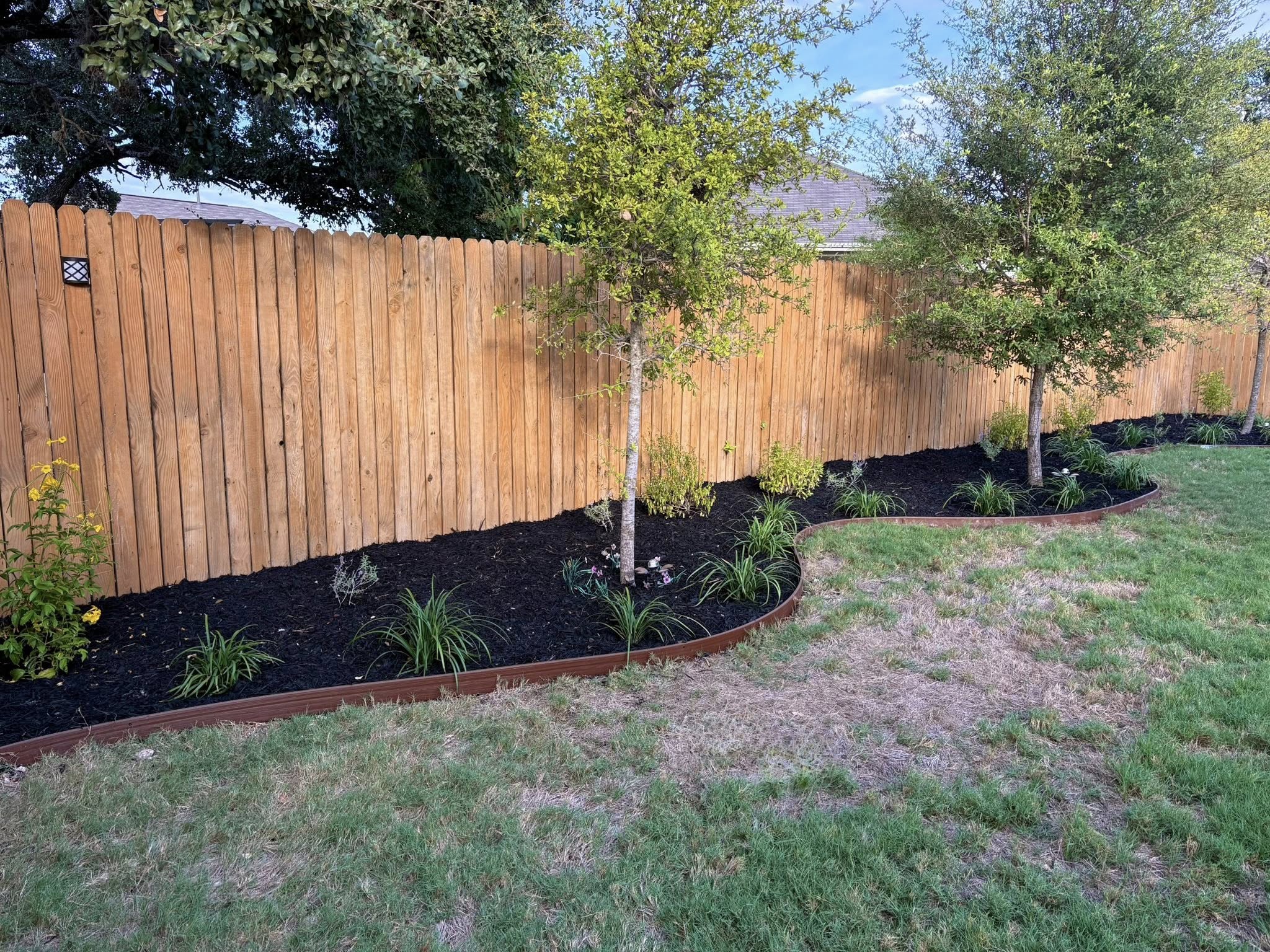
So, what exactly is softscaping? Unlike hardscaping, which refers to non-living elements like pathways, patios, and walls, softscaping focuses on the living components of a landscape. This includes flowers, shrubs, trees, lawns, and groundcovers. Softscaping adds color, texture, and form, breathing life into static landscapes. But beyond aesthetics, it also provides functional benefits, enhancing the ecosystem by improving air quality and offering a habitat for local wildlife.
The foundation of effective softscaping is understanding your specific climate and soil conditions. At DR Landscape, we conduct a thorough analysis to recommend plant species that will not only thrive but also reflect the unique character of your property. For instance, if you're in a region with intense summers, drought-tolerant plants such as lavender or succulents might be ideal. On the other hand, if your area is prone to heavy rainfall, opting for robust, water-loving plants like hydrangeas might be your best bet.
Personal preference is another crucial consideration in softscape design. A softscape should reflect the personality of the homeowner. Whether you favor modern minimalism or a lush, cottage-garden aesthetic, there are plant combinations to suit your style. For a serene, minimalist setting, consider grasses and evergreens for their enduring structure. If a vibrant garden full of color is more your style, incorporating a variety of seasonal flowers can ensure year-round visual interest.
However, achieving a cohesive design isn't just about picking the right plants. It also involves a strategic arrangement. Plants can be used to create natural screens for privacy, direct foot traffic along garden paths, or frame entrances to highlight architectural features. Layering plants by height and color can add depth and dimension to your landscape, creating a more immersive and engaging space.
Another benefit of expert softscaping is sustainability. By choosing native plants, you can significantly reduce water usage and maintenance efforts. Native species are adapted to local climatic conditions, meaning they require less irrigation and are more resistant to local pests. This not only promotes a healthier ecosystem but also reduces the ongoing costs and time associated with garden upkeep.
Water management is also a vital component of comprehensive softscape planning. Smart irrigation systems that adapt to weather conditions and soil moisture levels can conserve water and ensure that each plant receives the hydration it needs. This approach supports vibrant plant life while being mindful of environmental impacts.
In conclusion, the art of softscaping lies in its ability to transform landscapes into vibrant, living environments tailored to the needs and desires of our clients. At DR Landscape, we pride ourselves on offering tailored plant solutions that enhance the beauty and functionality of outdoor spaces. Whether you seek tranquility, vibrant color, or sustainable design, investing in professional softscaping will not only improve your landscape's aesthetic appeal but also its ecological integrity and value. Transform your yard into a masterpiece with the thoughtful integration of softscaping, where every plant has a purpose and place.
/filters:no_upscale()/filters:format(webp)/media/5269da78-7d41-4947-97c0-f8f4173acea7.jpeg)