Seasonal Landscaping Tips: Preparing Your Garden with DR Landscape Expertise Dec 18, 2025
Spring is the time for rejuvenation. As the frost thaws and sun returns, it's paramount to assess your landscape and plan for the growing season. Begin by performing a thorough clean-up of your garden. Remove debris and prune any dead or damaged branches from trees and shrubs. This not only improves aesthetics but promotes healthy growth by allowing sunlight to penetrate and nourish your plants effectively.
Next, focus on your soil. After the dormancy of winter, soil can become compacted. Aeration is crucial during this time to ensure that nutrients, air, and moisture can reach the roots of your plants. Consider using organic matter such as compost to enrich the soil, setting a strong foundation for the lush growth of the spring and summer months. Additionally, apply a pre-emergent weed control to prevent weeds from germinating and overtaking your garden.
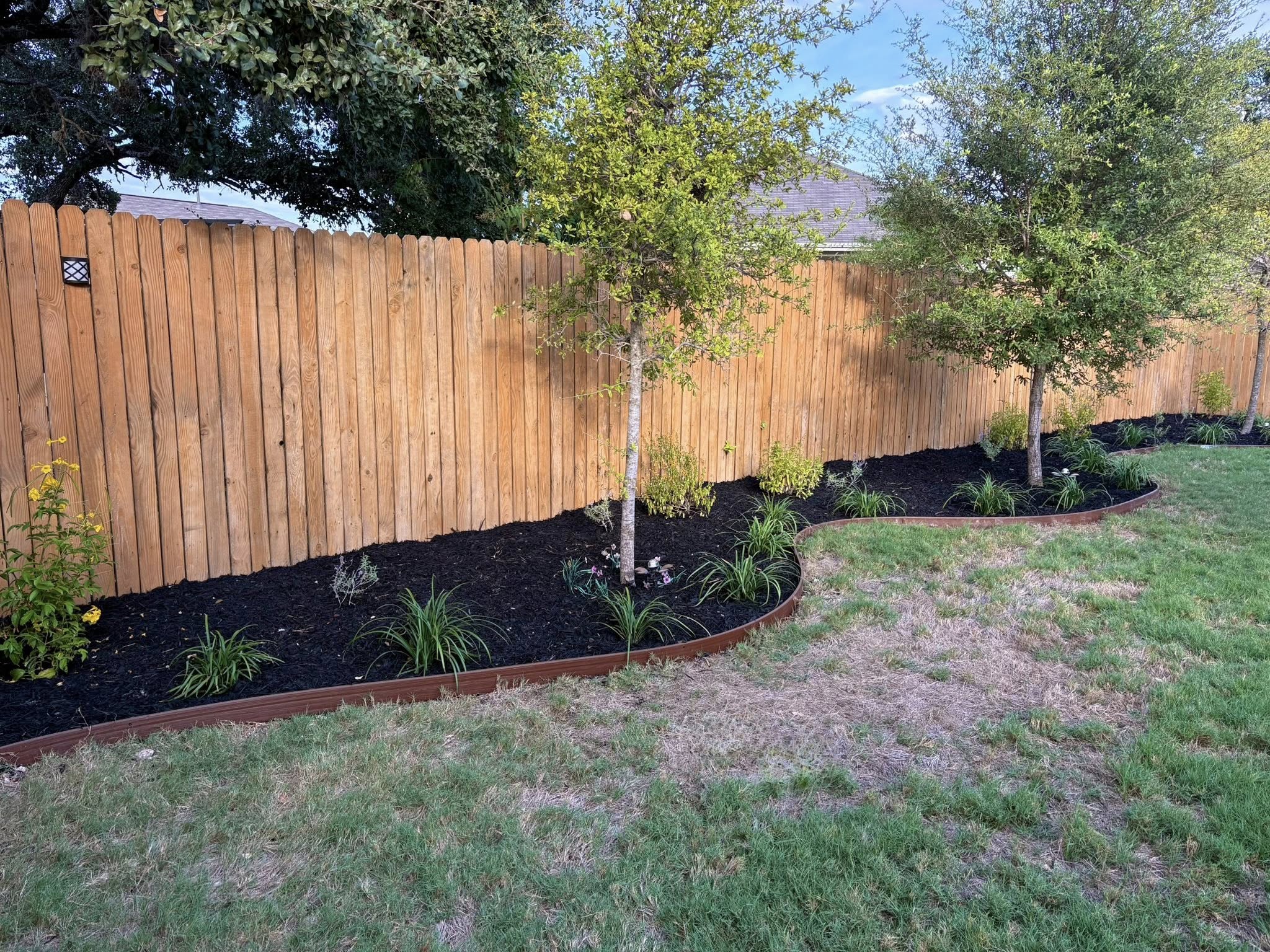
Summer brings vibrant colors and a burst of life to your landscape but also challenges like intense heat and limited rainfall. To maintain a thriving garden during these months, proper watering is essential. Implementing an efficient irrigation system, like drip lines, can help deliver water directly to the roots, minimizing evaporation and ensuring that your plants remain hydrated. Mulching is another effective strategy to retain soil moisture and suppress weeds. Organic mulches such as wood chips or straw also help regulate soil temperature, protecting roots from summer heat.
As temperatures rise, be mindful of pests that can disrupt your garden's harmony. Introduce beneficial insects like ladybugs and praying mantises to keep pests in check naturally. These allies can play a crucial role in maintaining the ecological balance of your garden without resorting to harmful chemicals.
As summer fades into fall, it's time to prepare your landscape for the cooler months. Begin with an autumn clean-up similar to the one you did in spring. Remove leaves and fallen debris to prevent diseases and pests over the winter. This is also an ideal time to plant bulbs for spring blooms. Different zones have varying optimal planting times, so consult with DR Landscape to tailor your planting schedule accordingly.
In fall, consider amending your soil again with compost or manure to replenish any nutrients depleted over the summer. This preparation enables your garden to rest and rebuild during the dormant winter months, ready to burst forth once spring arrives again.
Winter is the season of rest for most gardens, but it doesn’t mean you can neglect your outdoor space entirely. Although many plants are dormant, this is the time to assess hardscaping needs. Inspect pathways, retaining walls, and other structures. Repairing or updating these elements in the cooler months can enhance safety and aesthetics without disturbing active growth.
At DR Landscape, we advocate for an all-season approach to nurturing your outdoor spaces. Our team is ready to assist you with tailored services that address each season's unique demands, ensuring that your garden remains a stunning centerpiece no matter the time of year. By investing in the right processes and understanding the seasonal shifts, you can create a landscape that offers beauty and serenity throughout all seasons. Trust in our expertise to help your garden thrive and adapt with ease.
/filters:no_upscale()/filters:format(webp)/media/5269da78-7d41-4947-97c0-f8f4173acea7.jpeg)